

About Badgers

The European badger (Meles meles) is the UK's only native badger species. Their iconic black-and-white striped faces, nocturnal habits and complex sett systems make them an unmistakable part of the countryside - and a fully legally protected species.

While badgers play a valuable role in the ecosystem, they can cause real disruption in residential and agricultural areas. Any management work must be carried out within the law.

A European badger in its natural habitat

Why Badgers Can Be a Problem

  • Burrowing that undermines foundations and paving
  • Latrines (shallow toilet pits) near gardens and paths
  • Damage to lawns and flowerbeds from foraging
  • Construction delays where setts are active on a development site

Signs of Badger Activity

  • Football-sized burrow entrances near hedges or sheds
  • Fresh soil heaps beside sett entrances
  • Trampled pathways across lawns and through hedgerows
  • Claw marks on trees and droppings in latrines

Sett Facts and Behaviour

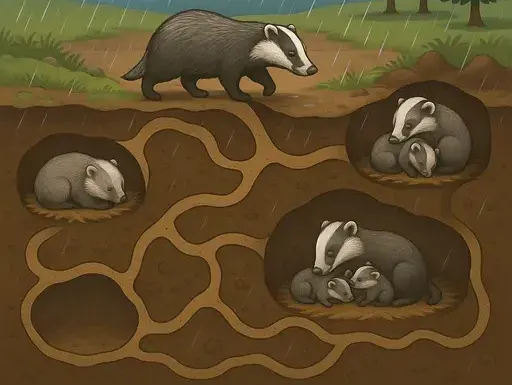
Badger setts are intricate networks of tunnels - some have been occupied continuously for over a century. Badgers are highly social, living in family groups (clans) and maintaining multiple setts across their territory.

Because setts are so permanent, any activity around them must be carefully managed within the law. Disturbing or blocking an active sett without a licence is a criminal offence.

Entrance to a badger sett with fresh soil heaps

The Law

Badgers and their setts are protected by the Protection of Badgers Act 1992. It is a criminal offence to interfere with, damage or block access to a sett without a licence from Natural England or the relevant authority.

All surveys, fencing, sett closures and mitigation work must be carried out by properly trained and licensed professionals. In most cases, sett closure can only take place at specific times of year and must follow a strict approval process.

Find Out More